Expert Tips for Sustainable Land Clearing Practices Jul 28, 2026
To begin with, assessing the land thoroughly before any clearing activities is crucial. This involves understanding the topography, soil type, and existing vegetation. Such an evaluation helps in identifying areas that need preservation and those that can be cleared. By prioritizing the conservation of native flora and fauna, you enhance biodiversity, which can lead to a more sustainable ecosystem. This thoughtful approach aligns with land management best practices, offering long-term benefits far beyond the initial clearing phase.
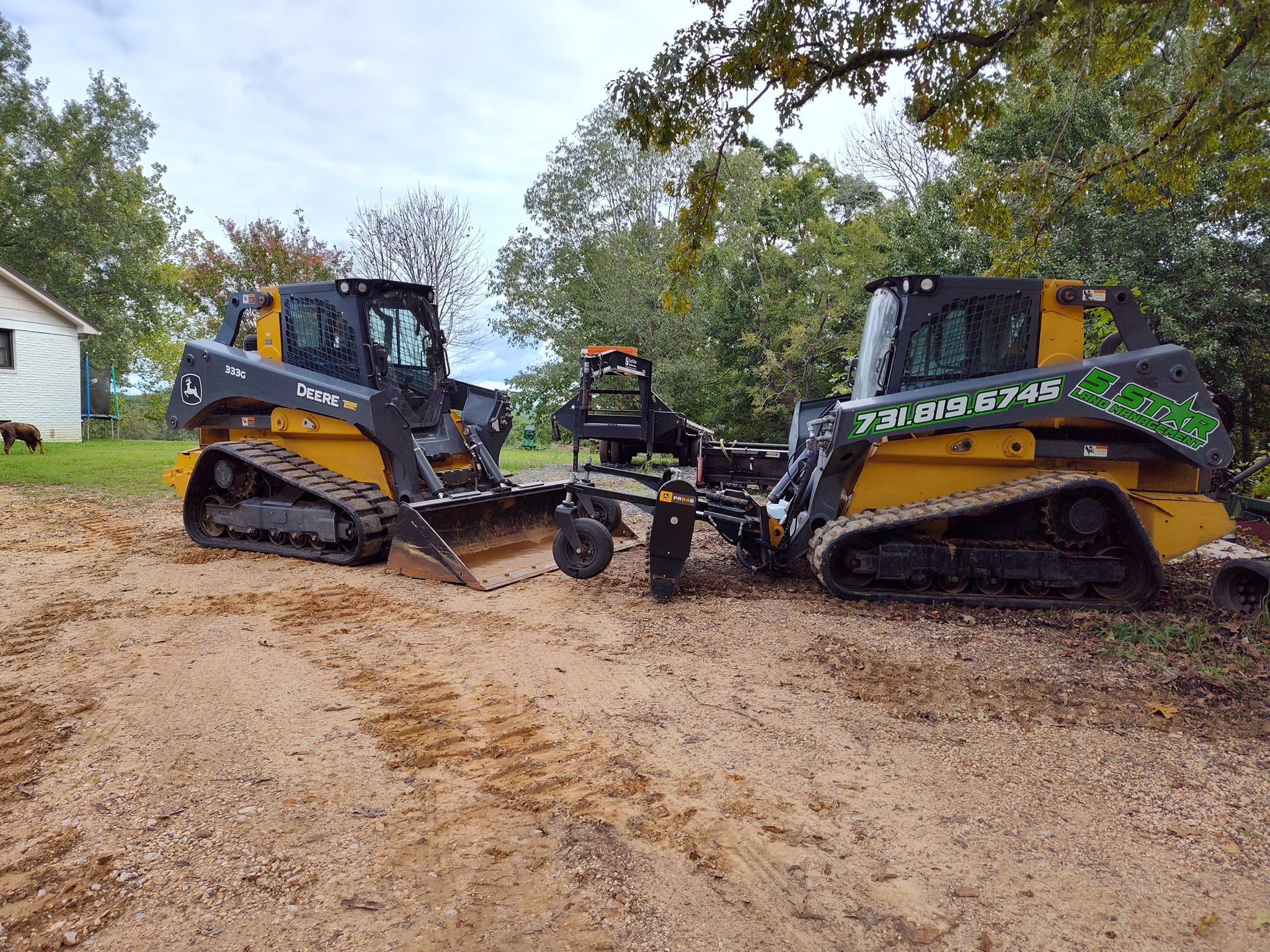
Next, consider the method of land clearing. Using mechanical processes such as mulching is preferred over traditional burn-and-slash methods. Mulching involves grinding vegetation into a thin layer, which is then left on the ground. This not only prevents soil erosion but also enriches the soil with organic matter, improving its fertility in the long run. Additionally, it reduces the need for artificial fertilizers, making it an exceptionally sustainable choice. By utilizing advanced equipment available at 5 Star Land Management, these processes can be executed efficiently and with minimal environmental disruption.
Incorporating selective clearing is another sustainable practice. Rather than stripping land bare, selective clearing targets specific areas, leaving valuable trees and plants intact. This selective removal helps in maintaining the natural habitat while allowing for construction or agricultural activities to proceed. It requires careful planning and skilled execution, something that 5 Star Land Management is adept at handling.
The importance of waste management during the clearing process cannot be understated. Proper disposal of cleared vegetation is crucial to avoid negative environmental impact. Composting and recycling cleared organic material are sustainable practices that reduce waste, support soil health, and can even generate additional income through the sale of compost. Implementing a robust waste management strategy is a hallmark of responsible land management services.
Furthermore, engaging with local stakeholders and educating them about sustainable land clearing practices can foster community support and collaboration. It's important to align clearing activities with community development goals, ensuring that the needs of the local population are met without compromising environmental integrity. Initiatives that involve community members in reforestation projects post-clearing can reinforce a collective commitment to sustainability.
Lastly, regular monitoring and evaluation post-clearing help in assessing the impact of the clearing activities and ensuring that the objectives are met sustainably. Monitoring allows for timely intervention if unforeseen environmental impacts arise, ensuring that the land remains productive and viable for future use.
In conclusion, sustainable land clearing is a practice that balances land utility and environmental stewardship. By employing careful planning, responsible techniques, and ongoing management, 5 Star Land Management demonstrates that it is possible to meet human needs while preserving our planet. If you’re considering a land clearing project, implementing these expert tips will not only enhance the productivity and usability of your land but also contribute positively to the environment, creating a legacy of sustainability that will benefit generations to come.
/filters:no_upscale()/filters:format(webp)/media/6d36c742-48b2-4626-bc5e-ca46553429af.jpeg)